
Gen Z Is Bringing Vinyl Back to the Living Room
Conor Welsch
Something real is happening in music culture right now.
Vinyl records are not just surviving. They are growing. And the generation driving that growth is the one raised entirely on streaming.
Gen Z, the true digital natives, are choosing turntables in a world built for touchscreens. They are buying records in an era where every song ever made lives in their pocket. That decision says something.
It says listening still matters.
Why Analog Makes Sense in a Digital World
At first glance, it seems backwards. Why would a generation raised on instant access embrace a format that requires patience?
Because patience is the point.
Vinyl forces you to slow down. You choose an album. You take it out of the sleeve. You place it on the platter. You drop the needle. You listen to Side A without skipping ahead. In a world built on endless scroll, that ritual feels grounding.
For many young listeners, records are not about nostalgia. They are about presence. They are about committing to a moment instead of multitasking through it.
Streaming makes music accessible. Vinyl makes it intentional.
From TikTok to Turntables
Discovery still starts digitally. A song trends. A clip circulates. An artist goes viral.
But instead of stopping there, more young listeners are taking the next step. They want the album. They want the artwork. They want something they can hold.
A record transforms a song from background noise into a physical memory. It moves music from the cloud into the room.
That shift is cultural. It signals that even the most connected generation still craves something tangible.
Record Stores as Third Spaces
There is also a social layer to this resurgence.
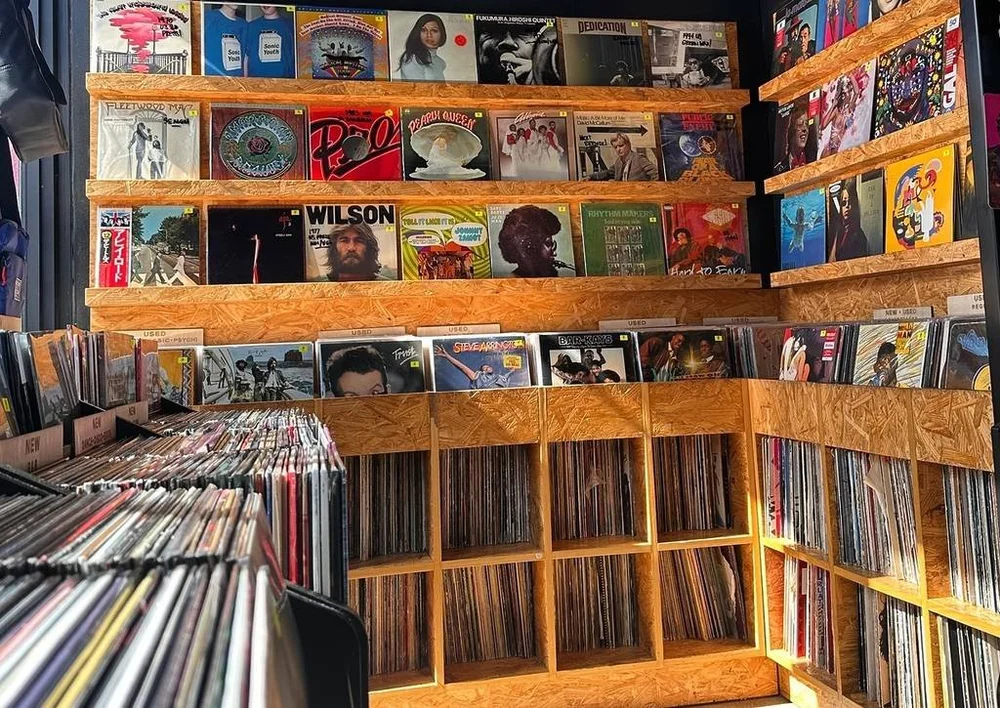
Gen Z is showing up in record stores. They are crate digging. They are asking questions. They are buying both new releases and albums that came out decades before they were born.
Record stores have always been more than retail spaces. They are gathering points. They are quiet community hubs. They are places where taste is discovered through conversation rather than recommendation algorithms.
In an age of digital overload, that kind of physical community feels rare and valuable.
Bridging Generations Through Music
What makes this moment special is how it connects eras.
A young collector might walk in for a new indie release and leave with Fleetwood Mac, Sufjan Stevens, or a soul record from the seventies. Parents introduce their kids to albums they grew up on. Kids introduce their parents to artists discovered online.
Vinyl becomes the bridge.
The format does not belong to one generation. It moves forward with each one.
Why This Is Bigger Than a Trend
This is not a throwback moment. It is not aesthetic nostalgia.
It is a response.
In a fast world, vinyl slows things down. In a digital world, it feels human. In a disposable culture, it asks you to commit.
Gen Z understands that ownership changes the relationship with music. When you buy a record, you are not just consuming sound. You are choosing it. You are giving it space in your home.
That choice carries weight.
What It Means for All of Us
For collectors, this resurgence is energizing. It means record culture is expanding, not shrinking. It means new listeners are discovering the ritual and making it their own.
At Moose Vinyl, we see this every day. Young collectors cataloging their first pressings. Sharing collections. Treating records not as relics, but as living pieces of their identity.
Vinyl is not competing with streaming. It is complementing it. Digital may introduce the song. Analog makes it stay.
And if Gen Z is proving anything, it is this:
The future of music might not be digital after all. The best experience of it is still beautifully analog.